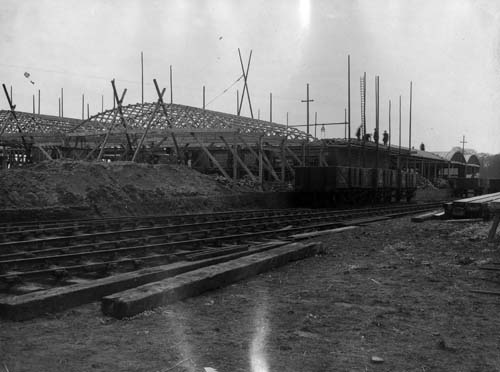
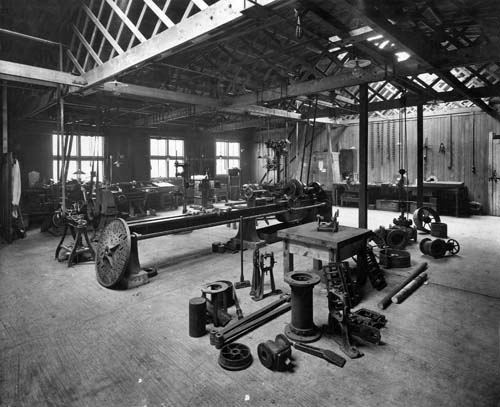
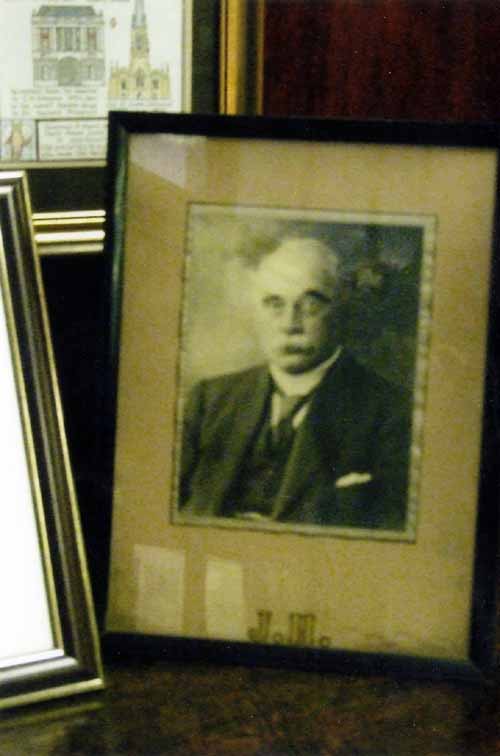
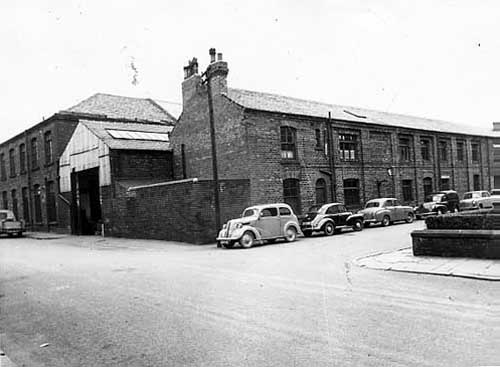
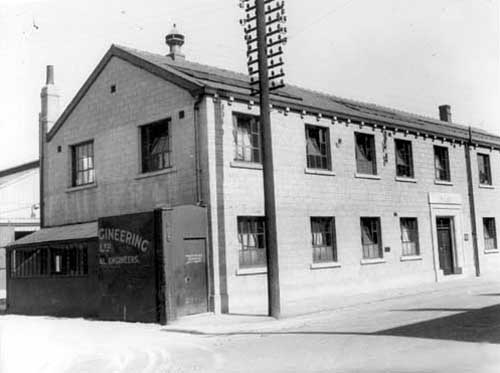
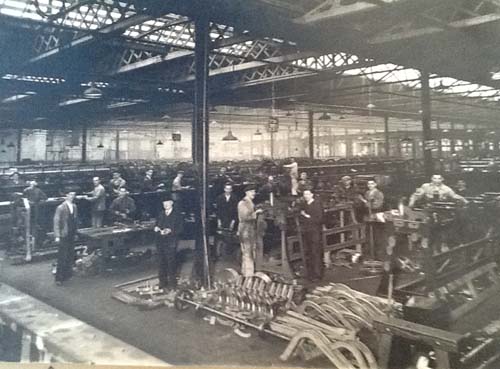
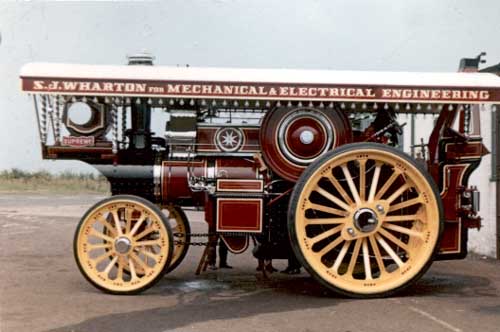
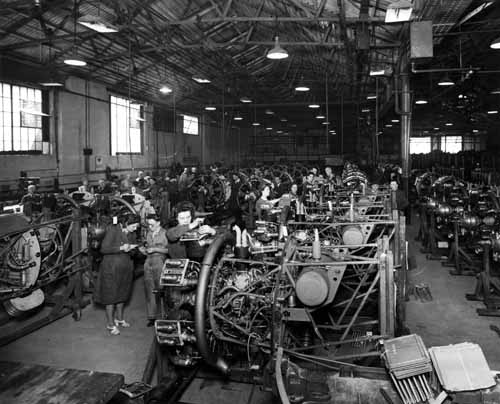
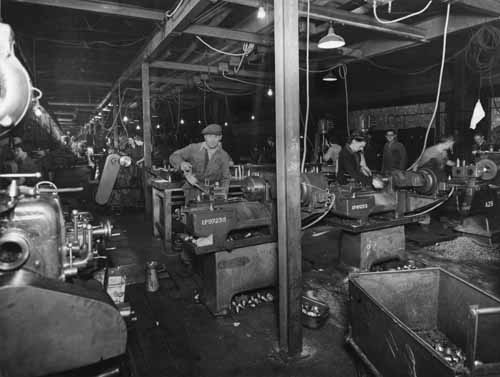
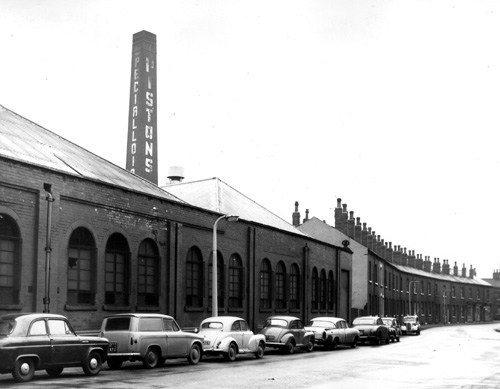
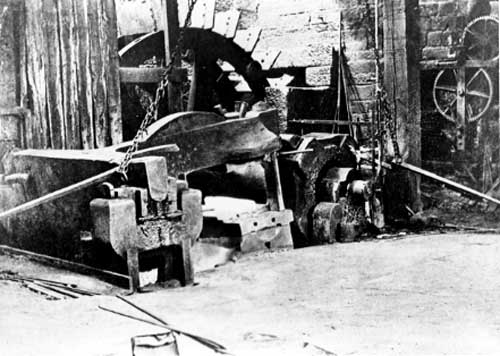
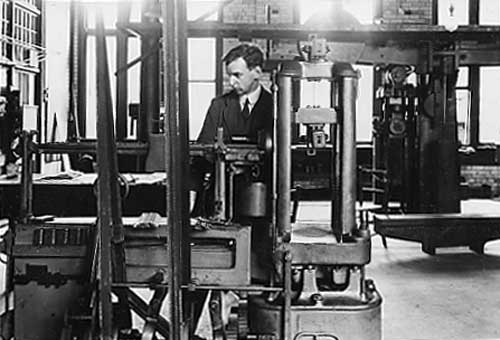
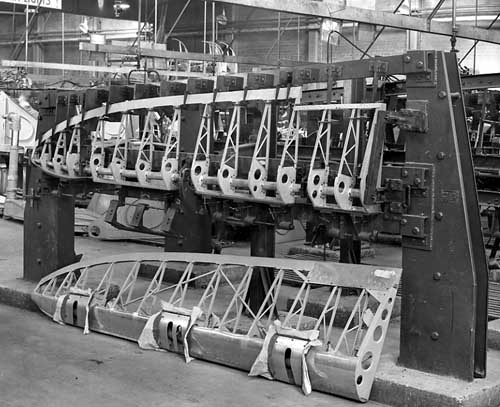
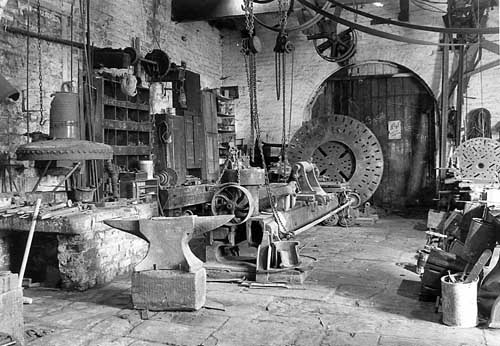
24th March 1916 A north west view of the Melt House at the Barnbow National Filling Factory, showing the rapid progress that had been made on the building within five weeks of commencing operations.c1915-18. View shows the millwrights’ workshop at the Barnbow National Filling Factory during World War One. This was one of a number of specialised departments set up to deal with the necessary repairs to the large number of buildings on the site.March 2008. Image shows a portrait of James Henry Braime (known as Harry), brother of Thomas Fletcher Braime who founded a small sheet metal pressings business in Hunslet in 1888. The two brothers joined together and between them built up the well-known company of T.F. & J.H. Braime Limited, sheet metal pressings.22nd June 1964 View of the Hercules Engineering Works looking from Houghton Street. Situated in Charmouth Street, the firm of Herbert Alexander & Co Ltd had been at these premises for many years. They were brick and tile machine makers, and as far back as 1913 were listed at an address in Water Lane, Leeds.1st June 1939. View of Oxley Engineering Works, showing works entrance and offices.Interior view of the engineering works of Fairbairn Lawson Combe Barbour Ltd., situated on Wellington Street. The firm, whose origins can be traced back to Lawson’s Hope Foundry (1812) and Fairbairn’s Wellington Foundry (1828) before becoming Fairbairn Lawson Combe Barbour in 1900, was one of the major employers in Leeds at the time.John Fowler & Co Engineers of Leathley Road, Hunslet, Leeds produced traction engines and ploughing implements and equipment. Fowlers Road Steam Engine. Owned by S J Wharton for mechanical and electrical engineering. In Claret and amber, decorated with lights.George Cohen & Sons & Co, Stanningley Leeds. Image shows a large group of men and women engaged in mounting engines for Anson aircraft on nacelles. It demonstrates what was happening nationwide during the Second World War – the increasing importance of the role of women in engineering and other traditionally male occupations.A war-time scene in the engineering works of George Cohen, Sons & Co. Ltd., Town Street, Stanningley Leeds. A large workforce of men and women are working on the rough forming of a 6 pounder anti-tank nose caps (bottom, centre). The works closed down in 1987 but the company is successful world wide and is now registered as the 600 Group Ltd.21st December 1965. View of Hillidge Road showing Hillidge Engineering Works on the left and terraced houses on the right, numbered in descending order from no.60. These houses, which formed back-to-backs with Chesney Crescent, would shortly be demolished.22nd July 1952. Close up of old hammer in yard of Kirkstall Forge Engineering Ltd. This Helve hammer was operated by water power. This system of forging had been in operation for centuries. The site is now closed.1915 During World War I, Leeds University offered its resources and expertise to aid in war work. In this image, aeroplane spars are being tested for Government use.Olympia Works – Blackburn Aircraft. Work is in progress on wing sections for Firebrand IV aircraft. This would be between 1939-45, some production was sub-contracted to several Leeds engineering companies and garages.1977 View of the engineering shop at Thwaite Mills. The mill had closed as a manufacturing mill in 1976 after being owned by the Horn family since 1872. During this time several different stone crushing processes were carried out in the mill. Machinery was not always removed after a process was abandoned but was adapted for another use or just left where it was. Nearly all the machinery in the workshop was driven by power from the two waterwheels on the site. All types of metal and woodwork was undertaken here, including making and repairing some of the carts and wagons used at the mill.
All the above photographs and captions courtesy of Leodis.net